Top Restaurants Every Food Lover Should Try in New Orleans Louisiana

Top Restaurants Every Food Lover Should Try in New Orleans Louisiana

New Orleans is one of the most distinctive food cities in the world. Shaped by French, Spanish, African, Caribbean, and Native American culinary traditions, the cuisine here is unlike anything you will find anywhere else in the United States. From hole-in-the-wall po’boy shops to white-tablecloth Creole institutions, every meal in this city carries a sense of history and place that makes eating in New Orleans feel like a cultural experience as much as a culinary one. If you are planning a visit and serious about food, here are the restaurants that deserve a spot on your itinerary.

Dooky Chase’s Restaurant

No list of New Orleans dining is complete without Dooky Chase’s. Founded in 1941 by Edgar “Dooky” Chase Sr. and made legendary by the late chef Leah Chase, this Tremé institution has fed civil rights leaders, presidents, and generations of local families. The menu is a masterclass in Creole cooking, anchored by dishes like fried chicken, red beans and rice, and the beloved Creole gumbo that Leah Chase refined over decades. Dining here is not just eating well. It is connecting with the soul of the city.

Commander’s Palace

Situated in the heart of the Garden District, Commander’s Palace has been a cornerstone of New Orleans fine dining since 1893. The restaurant has launched the careers of some of the most celebrated chefs in American culinary history, including Emeril Lagasse and Paul Prudhomme. The menu changes seasonally but always highlights Gulf seafood, locally sourced ingredients, and the kind of refined Creole technique that has made this restaurant an enduring benchmark. The weekend jazz brunch is a New Orleans tradition in its own right and worth planning a trip around.

Galatoire’s

Few restaurants in America carry the weight of tradition that Galatoire’s does. Open since 1905 on Bourbon Street, this French Creole institution operates largely as it always has, with tuxedoed waiters, no reservations for the first-floor dining room, and a menu built around classics like shrimp remoulade, trout meunière, and crabmeat maison. Friday lunch at Galatoire’s is a cultural institution in New Orleans, drawing locals for hours-long celebrations that stretch well into the afternoon. Come dressed, come hungry, and come with time to spare.

Brigtsen’s Restaurant

Tucked into a Victorian cottage in the Riverbend neighborhood, Brigtsen’s offers an intimate dining experience that showcases the best of contemporary Louisiana cooking. Chef Frank Brigtsen trained under Paul Prudhomme and has spent decades developing a style that honors Creole and Cajun roots while incorporating his own creative sensibility. The menu shifts with the seasons and reflects whatever is freshest from local farms and the Gulf. Dishes like the rabbit and andouille gumbo and the broiled Gulf fish have made this neighborhood spot a destination for serious food lovers from around the world.

Café Du Monde

No visit to New Orleans is complete without a stop at Café Du Monde in the French Quarter. Open since 1862 and operating nearly around the clock, this iconic coffee stand is famous for two things: beignets and café au lait. The beignets arrive hot from the fryer, buried under a snowstorm of powdered sugar, and the chicory-blended coffee is rich, bold, and unlike anything you will find at a standard coffee shop. It is a simple experience, but it is one of the most purely New Orleans moments a visitor can have.

Mosca’s

A short drive outside the city into Avondale, Mosca’s has been serving its singular brand of Italian-Creole cooking since 1946. The restaurant is a study in contrasts: a simple roadhouse exterior housing one of the most celebrated dining experiences in the region. Dishes like oysters Mosca, chicken à la grande, and spaghetti bordelaise are shared family-style at long tables, and the portions are as generous as the flavors are bold. Reservations fill up quickly, so plan ahead.

Why New Orleans Belongs on Every Food Lover’s Map

The restaurants listed here represent just a fraction of what this city offers, but they share a common thread. Each one reflects the depth, history, and generosity of spirit that defines New Orleans cooking at its best. Whether you are sitting down to a formal Creole dinner or grabbing beignets at an outdoor table along the river, food in this city has a way of making every moment feel worth savoring.…

Hidden Gems That Make Savannah, Georgia a Must-See Destination

Hidden Gems That Make Savannah, Georgia a Must-See Destination

Savannah is one of those cities that gets under your skin. With its moss-draped squares, pastel antebellum architecture, and unhurried pace, it draws visitors in and rarely lets them leave without wanting more. Beyond the well-known tourist stops, Savannah is full of quieter, lesser-known treasures that reveal the city’s true character.

Wormsloe Historic Site

Most visitors make it to Forsyth Park and River Street, but far fewer venture out to Wormsloe. Located just outside the city, this colonial estate is best known for its entrance — a breathtaking one-and-a-half-mile avenue of ancient live oaks draped in Spanish moss that feels more like a painting than a road. The site preserves the ruins of one of Georgia’s oldest buildings and offers walking trails through marsh and forest. It is one of the most photographed spots in the entire South, and somehow still feels like a secret.

The Starland District

Savannah’s Starland District is the city’s creative heart — a walkable neighborhood packed with independent coffee shops, local art galleries, vintage boutiques, and some of the best casual dining in town. It lacks the polish of the Historic District, and that is exactly what makes it worth visiting. This is where locals actually spend their time, and the neighborhood’s laid-back energy is a refreshing contrast to the more tourist-heavy areas closer to the river.

Bonaventure Cemetery

It may sound unusual to recommend a cemetery, but Bonaventure is genuinely one of Savannah’s most beautiful and atmospheric places. Sprawling along the Wilmington River, its oak-shaded lanes are lined with ornate Victorian monuments and statuary. Artists, photographers, and history enthusiasts visit regularly, drawn by its quiet grandeur. It gained wider fame through the book Midnight in the Garden of Good and Evil, but it deserves a visit entirely on its own merits.

Pin Point Heritage Museum

This small but deeply moving museum sits on the site of a former oyster and crab factory and tells the story of the Gullah Geechee community that lived and worked there for generations.

Savannah rewards the curious traveler. Scratch beneath the surface and you will find a city far richer than its postcard image suggests.…

The Ultimate Outdoor Adventure Experience in Denver Colorado

The Ultimate Outdoor Adventure Experience in Denver Colorado

Denver sits at a unique intersection of urban energy and wild landscape that few cities in the world can match. At 5,280 feet above sea level, it is already closer to the mountains than most people realize, and within an hour of the city center, you can be standing at trailheads that open into some of the most spectacular outdoor terrain in North America. Whether you are a resident looking to make the most of your backyard or a visitor building an itinerary around adventure, Denver delivers an outdoor experience that is genuinely difficult to top.

Rocky Mountain National Park and the High Country

The crown jewel of the Denver outdoor experience is Rocky Mountain National Park, located roughly 90 minutes northwest of the city. The park encompasses more than 415 square miles of protected wilderness, including over 60 mountain peaks that rise above 12,000 feet. Trail Ridge Road, the highest continuously paved road in the United States, cuts through the heart of the park and provides access to alpine tundra landscapes that feel otherworldly even to seasoned mountain travelers.

Hiking options range from easy lakeside walks accessible to families with young children to demanding summit routes that require early starts and solid fitness. The Flattop Mountain trail, the Emerald Lake loop, and the climb to Longs Peak, the only fourteener in the park, offer experiences across every ability level. Wildlife viewing is outstanding throughout the year, with elk, moose, bighorn sheep, and marmots commonly spotted along popular routes.

Whitewater Rafting and River Adventures

Colorado’s rivers provide some of the best whitewater rafting in the country, and Denver serves as an ideal base for accessing several premier runs. Clear Creek Canyon, just 30 minutes west of downtown Denver, offers accessible half-day rafting trips on rapids ranging from beginner-friendly Class II stretches to more technical Class IV sections for experienced paddlers.

For those seeking a more remote and dramatic experience, the Arkansas River through Browns Canyon National Monument provides a full-day adventure on one of the most popular rafting corridors in the state. The combination of sustained rapids, canyon scenery, and wildlife sightings makes this run one of the standout outdoor experiences available within easy driving distance of Denver.

Mountain Biking and Trail Running in Jefferson County Open Space

Jefferson County Open Space, just west of Denver, offers hundreds of miles of trails accessible for mountain biking and trail running at a fraction of the drive time required to reach the high country. Lair o’ the Bear Park, Alderfer Three Sisters Park, and Reynolds Park are all exceptional destinations with well-maintained trails, varying technical difficulty, and stunning Front Range views.

The proximity of Jefferson County trails to the city makes them ideal for early morning sessions before work, quick afternoon rides, or full-day explorations that do not require overnight planning. The combination of open meadows, forested ridgelines, and rocky technical sections gives riders and runners a satisfying variety of terrain within a compact geographic area.

Denver is one of the rare cities where the outdoor adventure does not start when you leave town. It starts the moment you decide to go.…

Must Visit Historical Landmarks That Define Boston Massachusetts

Must Visit Historical Landmarks That Define Boston Massachusetts

Boston is a city where history lives around every corner. You cannot walk a block without stumbling upon a site where revolutionaries debated, patriots marched, or history itself changed course. For first time visitors and returning travelers alike, the landmarks of Boston tell the story of America’s birth in a way that few other places can match.

The city compact size makes it perfect for exploring on foot. You can stand where the Boston Massacre occurred, walk the decks of a Revolutionary War ship, and dine in a neighborhood that has welcomed immigrants for centuries, all in a single day. These are the landmarks you simply cannot miss.

The Freedom Trail: America’s Most Historic Walk

Any visit to Boston must begin with the Freedom Trail. This 2.5 mile red brick line snakes through the oldest parts of the city, connecting 16 sites of monumental historical significance . The trail starts at Boston Common, America’s oldest public park, where pirates and witches were once hanged and where activists still gather to voice their causes today .

Along the trail you will find the Massachusetts State House with its iconic golden dome designed by renowned architect Charles Bulfinch . The Granary Burying Ground holds the remains of Paul Revere, Samuel Adams, and John Hancock, three men whose names are inseparable from the Revolution . At the Old South Meeting House, over 5,000 colonists gathered to protest British rule in meetings that directly led to the Boston Tea Party .

The trail ends in Charlestown at the Bunker Hill Monument, where you can climb 294 steps for a spectacular view of the city, and at the USS Constitution, the oldest commissioned warship afloat in the world .

Beacon Hill: A Step Back in Time

Just steps from the Freedom Trail, Beacon Hill offers a different kind of historical experience. This neighborhood feels frozen in the 19th century with its Federal style rowhouses, narrow cobblestone streets, and gas lamps that still flicker to life at dusk .

Acorn Street ranks as one of the most photographed streets in America, and one walk down its cobblestones explains why . Look closely at the old windows and you might notice purple panes of glass, known locally as “lavenders,” the result of too much manganese in 19th century glass that has darkened over decades into a status symbol .

The neighborhood also holds deep significance in African American history. The Boston African American National Historic Site preserves over a dozen structures related to the city’s Black heritage, including the African Meeting House, the oldest standing Black church in the United States .

The North End: Paul Revere’s Neighborhood

Boston’s North End ranks as one of the city’s oldest and most charming neighborhoods. Narrow streets wind between buildings that have stood for centuries. Here you will find the Paul Revere House, built around 1680 and the oldest remaining residential structure in downtown Boston .

A short walk away stands the Old North Church, where two lanterns famously signaled that the British were approaching by sea . The church remains an active congregation and offers tours that include the bell ringing chamber and the crypt below .

Today the North End is also famous as Boston’s Italian neighborhood. After soaking in history, you can join the debate over which bakery makes the best cannoli, with Mike’s Pastry and Modern Pastry as the leading contenders on Hanover Street .

Beyond the Revolution

Boston’s historical significance extends beyond the 18th century. The Isabella Stewart Gardner Museum houses a remarkable art collection in a recreated Venetian palazzo, complete with a stunning central courtyard. Visitors also encounter 13 empty frames, reminders of the largest unsolved art heist in history .

In Cambridge, just across the Charles River, Harvard University offers its own historical treasures. The Harvard Museum of Natural History displays the famous glass flowers, intricate botanical models created for 19th century students that remain marvels of craftsmanship . The university yard itself, with its statue of John Harvard (whose foot remains polished by visitors seeking luck), provides a peaceful escape from city bustle .

Planning Your Visit

The Freedom Trail is free to walk anytime, though some individual sites charge admission fees ranging from $10 to $15 . The National Park Service offers free ranger led tours during summer months and a free audio tour through the NPS app .

Public transportation serves all major sites conveniently. The Park Street Station on the Red and Green lines places you at the start of the Freedom Trail next to Boston Common . Comfortable walking shoes are essential, as the historic streets feature cobblestones and uneven sidewalks throughout the oldest neighborhoods.

Boston rewards visitors who take their time. The city layers centuries of history into a walkable package, inviting you to touch the same bricks, climb the same stairs, and stand on the same ground where Americans fought for the freedoms we enjoy today.…

Top Experiences You Should Not Miss When Visiting Miami, Florida

Top Experiences You Should Not Miss When Visiting Miami, Florida

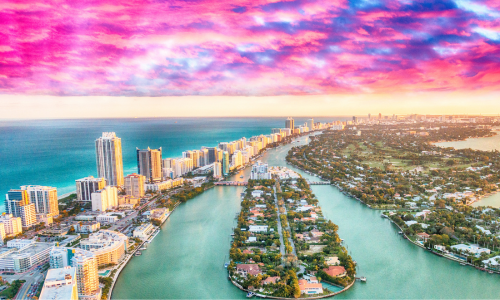
Miami is a vibrant city where sun-drenched beaches meet a rich cultural tapestry, creating a destination filled with unforgettable experiences. From the colorful art deco streets of South Beach to the rhythmic beats of Little Havana, Miami offers a unique blend of relaxation, art, food, and nightlife. Whether you’re planning your first visit or returning to explore more, this guide highlights the essential experiences that capture the true spirit of the Magic City.

Soak Up the Sun on Miami’s Iconic Beaches

No trip to Miami is complete without spending time on its world-famous beaches. South Beach is the most iconic, known for its soft white sand, turquoise waters, and the lively atmosphere along Ocean Drive. It’s the perfect spot for people-watching, swimming, or simply relaxing under the Florida sun. For a slightly more relaxed vibe, head to Key Biscayne’s Bill Baggs Cape Florida State Park, where you can visit a historic lighthouse and enjoy pristine, less-crowded shores. Remember your sunscreen, a good book, and a sense of adventure—Miami’s beach culture is a defining part of the city’s identity.

Explore the Art Deco Historic District

Step back in time with a stroll through the Miami Beach Architectural District, the world’s largest collection of Art Deco architecture. Centered in South Beach, this area features over 800 pastel-colored buildings from the 1920s, 1930s, and 1940s. Take a guided walking tour to learn about the history and design elements of these iconic structures, or simply wander down Ocean Drive and Collins Avenue at your own pace. The district comes alive at night with neon lights, making an evening walk a magical experience.

Immerse Yourself in the Culture of Little Havana

Experience the heart of Cuban culture without leaving the United States by visiting Little Havana. Calle Ocho (Southwest 8th Street) is the neighborhood’s main artery, pulsating with music, flavor, and life. Sip on a cafecito (strong Cuban coffee), watch veteran domino players at Maximo Gomez Park, and savor authentic Cuban cuisine at local staples like Versailles Restaurant. Don’t miss the chance to see talented cigar rollers at work and enjoy the vibrant street art and murals that tell stories of heritage and resilience.

Discover Street Art in Wynwood

Once an industrial warehouse district, Wynwood has transformed into one of the world’s premier destinations for street art. The Wynwood Walls are the centerpiece—an outdoor museum featuring large-scale murals by renowned international artists. The creativity extends throughout the surrounding streets, where every corner offers a new, Instagram-worthy masterpiece. The area is also home to chic galleries, trendy boutiques, and some of Miami’s best craft breweries and rooftop bars, making it a perfect place to spend an afternoon blending art with modern urban culture.

Experience the Bustling Energy of Bayside Marketplace

For shopping, dining, and entertainment with a waterfront view, head to Bayside Marketplace. This open-air mall sits along Biscayne Bay and offers a lively mix of shops, restaurants, and live music venues. It’s also a major departure point for boat tours, including sightseeing cruises that offer stunning views of the Miami skyline and celebrity mansions on Star Island. The atmosphere is consistently energetic, making Bayside a fun stop for families, couples, and groups of friends looking to enjoy a classic Miami outing.

Sample the Diverse and Delicious Local Cuisine

Miami’s food scene is as diverse as its population. Beyond the famous Cuban sandwiches and stone crab claws, the city boasts a fusion of Latin American, Caribbean, and Floridian flavors. Visit a frita spot for a Cuban-style burger, enjoy fresh seafood at a waterfront restaurant in Coconut Grove, or explore the upscale dining options in the Design District. For a truly local experience, seek out a food hall like Lincoln Eatery in South Beach or visit the endless stalls at the city’s various farmers’ markets.

Take a Day Trip to the Everglades

Just a short drive from the city’s skyscrapers lies one of the most unique ecosystems on the planet: the Florida Everglades. This vast wetland is home to alligators, manatees, and countless bird species. Join an airboat tour to glide across the “River of Grass,” led by knowledgeable guides who can point out wildlife and explain the ecological importance of this UNESCO World Heritage Site. It’s an exhilarating and educational contrast to the urban energy of Miami and a reminder of Florida’s wild, natural beauty.

Miami is a city of contrasts and constant energy, where every visit can offer something new. By embracing these essential experiences, you will move beyond the postcard views and connect with the dynamic culture, history, and flavor that make Miami truly unforgettable. Start planning your itinerary now, adventure awaits in the Magic City.…

Unwind in Style: 10 Top Spa Resorts in Sedona for Ultimate Relaxation

Unwind in Style: 10 Top Spa Resorts in Sedona for Ultimate Relaxation

Sedona is more than a stunning desert destination. It is a world renowned sanctuary for wellness, where the awe inspiring red rocks create a powerful backdrop for renewal. For those seeking the ultimate escape, Sedona’s spa resorts offer a perfect blend of luxury, holistic healing, and connection to the landscape. These havens provide the ideal environment to truly disconnect, rejuvenate, and unwind in remarkable style.

A Guide to Sedona’s Signature Spa Experiences

Choosing the right resort depends on the experience you crave. Many properties integrate the unique energy of the land through treatments using local red clay, juniper, and sage. Other spas focus on cutting edge hydrotherapy or ancient healing rituals. From intimate boutique hideaways to expansive luxury resorts with every imaginable amenity, each property offers a distinct path to relaxation. The common thread is a profound commitment to guest well being, ensuring every treatment and moment spent on property contributes to a deep sense of peace.

Top Resort Picks for Every Wellness Journey

Our curated list highlights resorts that deliver exceptional spa journeys.

  1. Enchantment Resort & Mii Amo Spa: Often called a destination within a destination, this world famous spa offers all inclusive mind body spirit journeys in a stunning canyon setting.
  2. L’Auberge de Sedona: Experience creekside tranquility with treatments offered in private outdoor villas, blending the sounds of nature with luxurious therapies.
  3. Sedona’s New Day Spa: Known for its intuitive therapists and use of local, organic products in a serene and welcoming environment.
  4. The Wilde Resort and Spa: A modern sanctuary offering vibrant, holistic treatments and a stunning rooftop pool with panoramic views.
  5. Amara Resort and Spa: Features an award winning spa with a focus on integrative wellness and a gorgeous saltwater infinity pool.
  6. The Suites at Sedona: Perfect for a health focused couples retreat, offering personalized programs and a peaceful atmosphere.
  7. Sky Ranch Lodge: While more modest, its breathtaking airport mesa location provides a serene and powerful setting for massage and meditation.
  8. Las Posadas of Sedona: An elegant, all suite hotel with a beautiful spa menu perfect for indulgent relaxation.
  9. Bell Rock Inn: A great value option located directly at the base of Bell Rock, offering straightforward, quality treatments.
  10. Sedona Pines Resort: Ideal for groups or families, offering cabin style accommodations and a relaxing spa for post adventure recovery.

Planning Your Perfect Sedona Spa Retreat

To ensure a seamless experience, consider a few key tips. Book your spa treatments well in advance, especially during popular seasons like spring and fall. Many resorts offer exclusive packages that combine accommodations, meals, and spa credits for the best value. Allow time to simply be present. Schedule your treatments, but also leave space to enjoy the resort’s amenities. Swim in a heated pool, practice yoga with a view, or simply relax by a fire pit under the star filled sky. Embrace the surroundings with a guided vortex tour or a scenic hike to complete your holistic retreat.

Sedona offers a unique opportunity to elevate relaxation into a transformative experience. By choosing a resort that aligns with your personal wellness goals, you invest in more than a vacation. You embark on a journey that refreshes your body, calms your mind, and reconnects you with a profound sense of tranquility. Let the red rocks work their magic as you unwind in unparalleled style.…